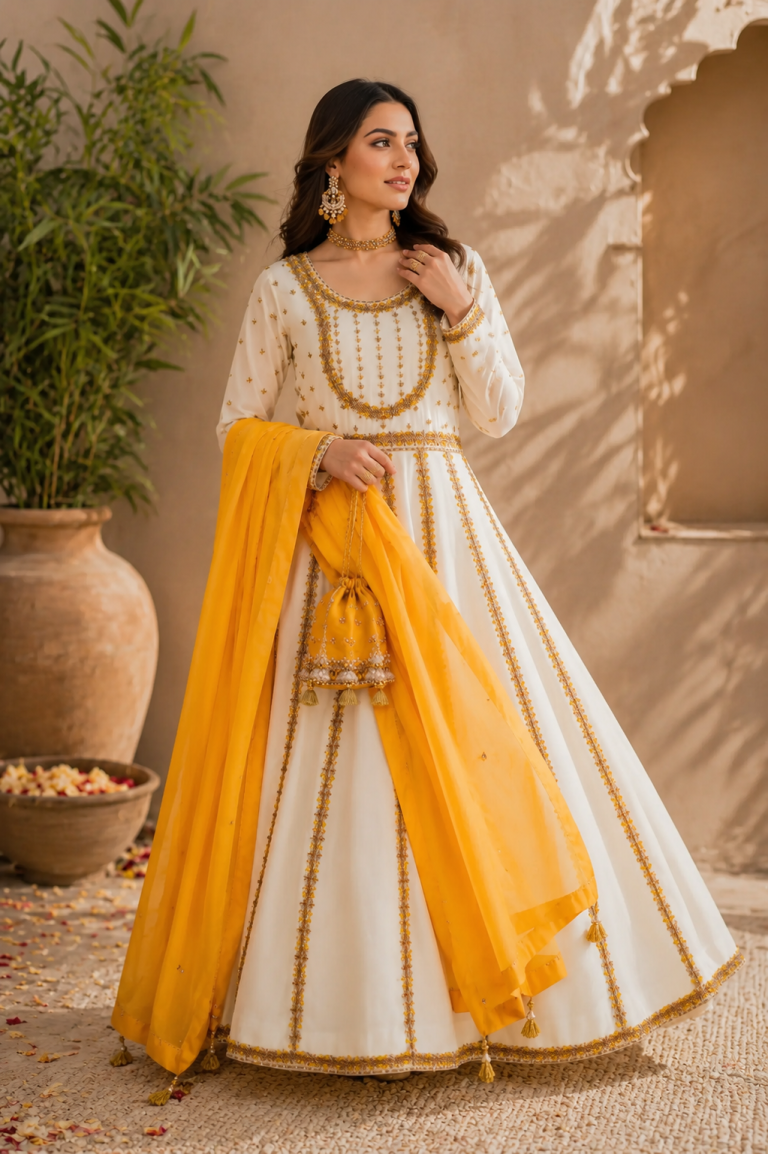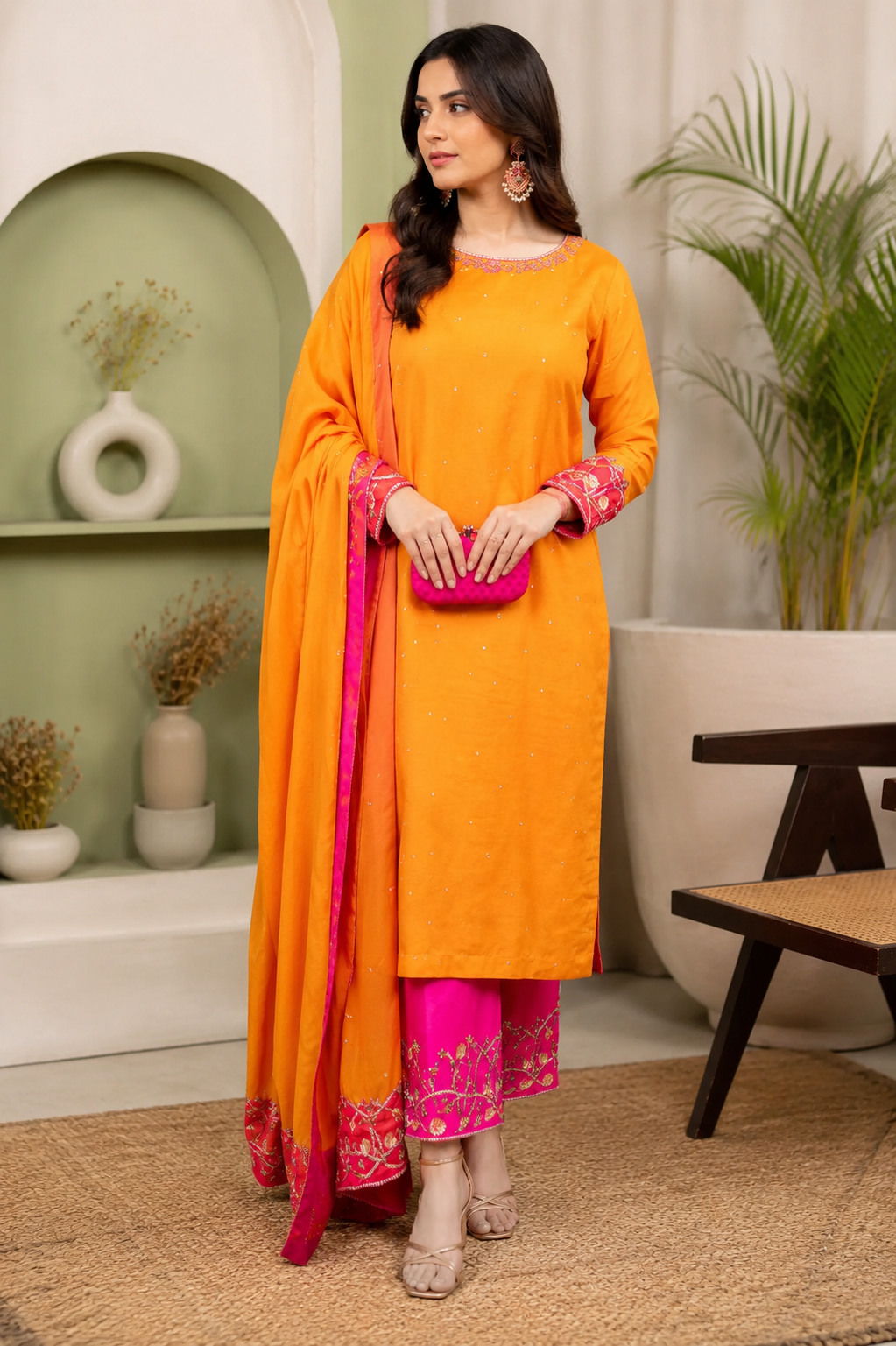
A bespoke South Asian formal is far more than a single evening’s attire; it is an artifact of human patience, centuries of metallurgical craftsmanship, and profound personal sentiment. Many bridal ensembles and luxury formals represent hundreds of hours of painstaking hand needlework and substantial financial investment. Yet all too often, once the wedding festivities subside, these precious garments are subjected to catastrophic storage errors: sealed inside non-breathable plastic dry-cleaning bags, hung on flimsy wire hangers, or stowed in humid basements.
Pure natural textiles like raw silk, katan, and organza are organic protein fibers that require specific atmospheric conditions to maintain their tensile integrity. Furthermore, hand-laid metallic threads—including dabka, nakshi, tilla, and bullion wires—are susceptible to chemical oxidation when exposed to moisture, airborne pollutants, or acidic materials. In this definitive conservation guide, the Nooraiza archival desk shares the exact protocols used by museum textile conservators and couture ateliers to preserve heirloom garments in pristine condition for decades.
The 4 Environmental Enemies of Luxury Formals
Before implementing a storage system, it is vital to understand the primary factors responsible for textile deterioration:
- Chemical Off-Gassing from Plastics: Standard dry-cleaning bags are manufactured from polyethylene and polyvinyl chloride (PVC). Over time, these petroleum-based plastics break down and release acidic gases that accelerate the yellowing of white silks and cause metallic wires to turn black. Furthermore, plastic traps ambient humidity, creating an incubator for mildew.
- Acid Transfer: Regular cardboard boxes, wooden drawers, and standard tissue papers contain high levels of lignin and acid. When silk rests directly against these surfaces, acid transfers into the fabric, causing brown staining and fiber embrittlement along fold lines.
- Direct and Indirect Light: Ultraviolet (UV) radiation and prolonged exposure to fluorescent lighting break down silk dye bonds, causing irreversible fading and weakening the structural fibers of delicate fabrics like chiffon and organza.
- Atmospheric Humidity & Temperature Fluctuations: Excessive humidity invites mold and silverfish, while extreme dry heat makes silk fibers brittle, causing heavy embroidery to tear through the base weave.
Step-by-Step Post-Event Care Protocol
What you do in the 48 hours immediately following an event determines whether your formal garment will survive for future generations:
Step 1: The Immediate Inspection & Airing Out
Upon returning home from an event, resist the temptation to pack the garment away immediately. Hang the ensemble in a well-ventilated, climate-controlled room away from direct sunlight for 24 hours. This allows body heat, perspiration, and ambient banquet moisture to evaporate completely. Inspect the hemlines and underarms for food spots, beverage splatters, or makeup stains.
Step 2: Addressing Stains Immediately
Never attempt to spot-clean pure silk or heavy zardozi at home using tap water, club soda, or commercial detergent wipes. Water causes water-spot rings on raw silk and can cause metallic threads to rust. If a spill occurs, gently blot (never rub!) the surface with a dry, clean white microfiber cloth to absorb excess liquid. Take the garment to a specialized luxury couture cleaner within 72 hours, pointing out the exact nature of the spill.
Step 3: Selecting a Qualified Couture Dry Cleaner
Standard industrial dry cleaners use aggressive perchloroethylene solvents and heavy tumbling drums that can crush delicate bullion wires and snap fine resham threads. Ensure your dry cleaner uses gentle hydrocarbon or silicone-based solvents and is experienced in handling hand-embellished South Asian bridal wear. Request that all delicate buttons, tassels, and zardozi borders be wrapped in protective muslin before cleaning.
The Gold Standard Archival Storage Protocol
Once clean, follow this museum-grade method for long-term storage:
- Ditch Hangers for Flat Storage: Heavy formals weighing over two kilograms should never be hung on hangers long-term. Over time, the gravitational pull of the embroidery stretches the delicate shoulder seams, warps the neckline, and causes the skirt hem to drop unevenly. Store the garment folded flat.
- Wrap in Unbleached Cotton Muslin: Muslin is a pure, unbleached, 100% natural cotton textile that allows air circulation while filtering out dust, light, and airborne contaminants. Wrap each piece (kurta, trousers, and dupatta) in its own separate muslin cloth.
- Interleave with Acid-Free Buffered Tissue: When folding the garment, place sheets of acid-free, lignin-free tissue paper inside the folds—particularly around sleeves, collars, and embellished borders. This creates a gentle radius that prevents sharp creasing and ensures that metallic embellishments do not rub against bare silk.
- Use Archival Storage Boxes: Store the wrapped garment in an acid-free textile preservation box made from pH-neutral corrugated board. Keep the box in a dark, climate-controlled closet—never in an attic, uninsulated storage room, or garage.
Preventing Metallic Thread Tarnishing (Zardozi, Dabka & Tilla)
Fine metallic wires contain silver, copper, and brass alloys that naturally react with sulfur and oxygen in the air. To preserve the radiant shine of your embroidery:
| Threat Factor | Chemical Effect | Atelier Prevention Rule |
|---|---|---|
| Perfume & Hair Spray | Alcohol and synthetic fixatives dissolve protective coatings, causing instant blackening of tilla. | Apply all perfumes and sprays 10 minutes before dressing. Never spray directly onto embroidery. |
| Body Perspiration | Salts and uric acids corrode metallic wires and stain silk armholes permanently. | Wear lightweight breathable cotton-silk slips under your formal garments to act as an absorbent barrier. |
| Chemical Mothballs | Naphthalene gas releases sulfur compounds that aggressively tarnish gold and silver wires. | Use natural cedar wood blocks or dried lavender sachets positioned along closet perimeters. |
| Friction Snagging | Rough bullion wires catch on delicate organza weaves, pulling warp threads out of alignment. | Interleave all folded sections with tissue paper so embroidered surfaces never touch sheer fields. |
The Semi-Annual Wardrobe Audit
Archival preservation is an ongoing discipline. Set a calendar reminder every six months to perform a 15-minute garment check:
- Remove the garment from its storage box in a clean, dust-free room.
- Gently shake out the folds and inspect for any signs of pest activity or moisture buildup.
- Refold the ensemble along slightly different lines than before. This simple act prevents permanent crease memory and relieves localized pressure on the metallic wires.
- Replace desiccating silica gel packs (ensuring they remain enclosed in pouches and never touch the fabric directly).
Frequently Asked Questions on Garment Preservation
Can I iron my embroidered formal dress at home?
Never place a direct hot iron onto metallic embroidery or pure raw silk. Heat can melt fine metallic threads, flatten three-dimensional bullion coils, and scorch silk proteins. If creased, use a professional garment steamer held at least 6 inches away from the reverse side of the fabric, or press with a warm dry iron placed over a thick, clean white cotton pressing cloth.
What should I do if a bead or zardozi thread comes loose?
Do not pull or cut the loose thread, as this can unravel an entire row of couched stitches. Use a fine needle to gently guide the loose thread through to the reverse side of the garment, and anchor it with a tiny drop of textile glue or a couple of discrete hand stitches on the lining.
How long can a pure silk bridal dress last with proper care?
Museums around the world regularly showcase South Asian court garments dating back to the 17th and 18th centuries that remain structurally sound. With proper acid-free muslin storage, zero plastic exposure, and climate-controlled resting, a high-quality pure silk formal will easily endure for over 50 to 80 years, ready to be restyled by daughters and granddaughters.
Every piece from the Nooraiza atelier is conceived as an heirloom worthy of preservation. By according your garments the care they deserve, you protect both the artisanal heritage woven into the cloth and the cherished memories of your most joyous celebrations. Learn more about our craftsmanship standards in our Atelier Collection.